

Maharashtra Co-Op. HSG Society Stationery – Essential Supplies for Every Housing Society
August 12, 2025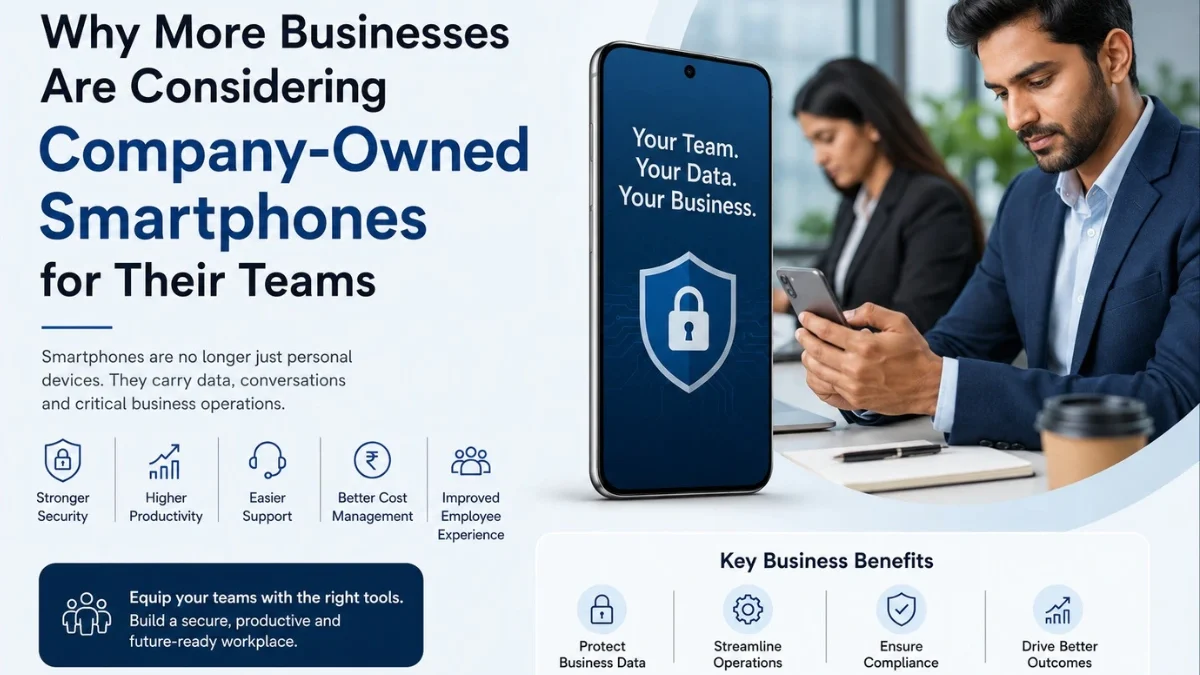
For many organizations, laptops, software subscriptions, internet connectivity, cybersecurity solutions, and cloud infrastructure have become standard business investments.
However, one of the most frequently used business tools often receives surprisingly little attention:
The smartphone
Over the last decade, smartphones have evolved from simple communication devices into critical business assets. Today, employees use smartphones for customer communication, email, WhatsApp, approvals, CRM access, field operations, video meetings, document sharing, navigation, and increasingly, AI-powered productivity.
Yet many organizations continue to rely primarily on employee-owned devices for business operations.
As businesses become more mobile and digitally connected, this approach raises an important question:
Should smartphones be treated as personal gadgets, or as business assets?
A typical employee today may use their smartphone to:
For many field teams, sales professionals, consultants, auditors, service engineers, healthcare workers, and business owners, the smartphone is often the primary work device.
When such an important business tool is unmanaged, organizations may expose themselves to operational and security challenges.
The Hidden Cost of Employee-Owned Devices
Many organizations focus on the purchase cost of a device but rarely calculate the hidden costs associated with unmanaged smartphones.
Business Data Risks
Customer conversations, emails, contracts, quotations, and sensitive business data often reside on employee devices. When devices are lost, replaced, fail, or employees leave, critical information can become difficult to recover.
Inconsistent User Experience
Different employees use different devices, operating systems, security settings, and software versions.
This can create support challenges and inconsistent user experiences across teams.
Limited Control and Visibility
Organizations have limited visibility into device security, updates, backups, and application management when employees use personal devices for work.
Productivity Challenges
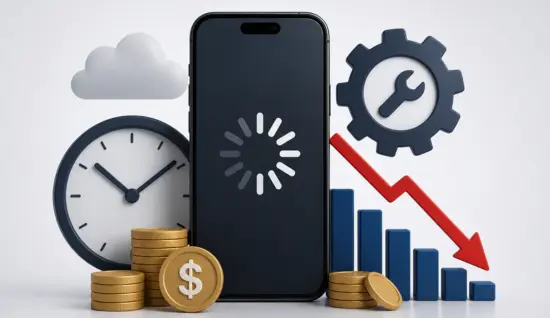
Older or underpowered devices can impact communication speed, responsiveness, application performance, and overall productivity.
Why Businesses Are Moving Toward Company-Owned Devices
Many organizations are now exploring standardized device programs for key teams.
Benefits often include:
1
Better Security
Standardized devices allow organizations to establish consistent security practices, updates, and policies.
2
Improved Productivity
Employees spend less time dealing with device issues and more time focusing on work.
3
Easier Support
IT and administration teams can support a standardized environment more effectively.
4
Better Asset Management
Integer pharetra magna non ante blandit lobortis. Sed mollis consequat eleifend. Aliquam tristique purus.
5
Enhanced Employee Experience
Employees receive reliable tools that help them perform their roles more effectively.
6
The Rise of AI-Powered Mobile Productivity
Artificial Intelligence is rapidly changing how employees work.
Modern smartphones can now help users:
For many businesses, AI is no longer a future concept—it is becoming part of daily workflows.
As AI adoption increases, smartphones are evolving from communication tools into intelligent workplace assistants.
What Should Businesses Evaluate Before Choosing Employee Devices?
Before implementing a business smartphone program, organizations should evaluate:
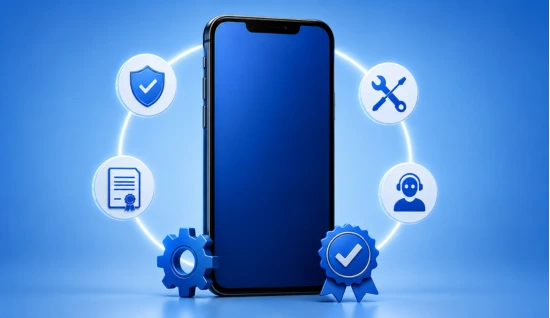
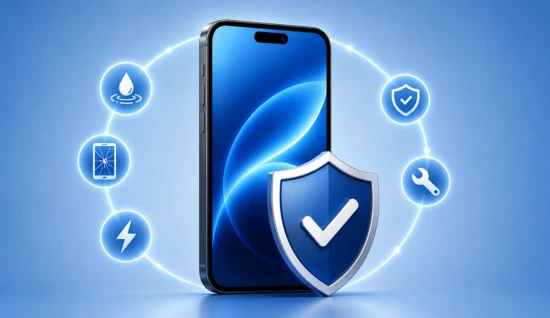
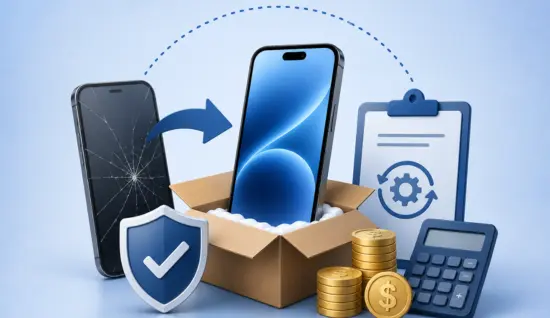
1. Total Cost of Ownership
Look beyond the device price and consider:
2. Security
Features
Evaluate security capabilities, updates, and device management options.
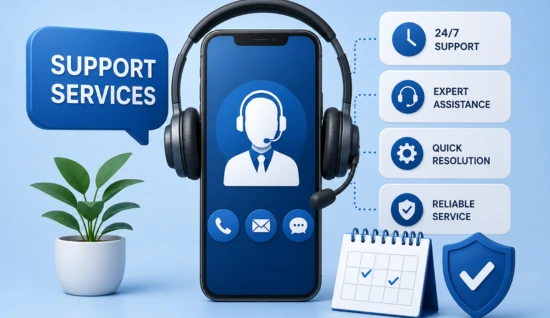
3. Support
Infrastructure
Reliable support, service coverage, and repair processes are important for business continuity.
4. Scalability
The device program should be able to support future business growth.
The Future of Business Mobility
TaxPrint now helps businesses access Google Pixel devices with business-focused benefits including:
As smartphones continue to play a central role in communication, collaboration, customer engagement, and productivity, organizations may benefit from treating them as strategic business assets rather than personal conveniences.
Businesses that proactively evaluate device strategy today may be better positioned to improve productivity, strengthen security, and support future growth.
- Corporate pricing
- GST benefits
- Device protection
- Additional warranty
- Pickup & drop support
- Business-focused assistance
- AI productivity capabilities
To Learn More -
Visit : www.pixel.taxprint.com